
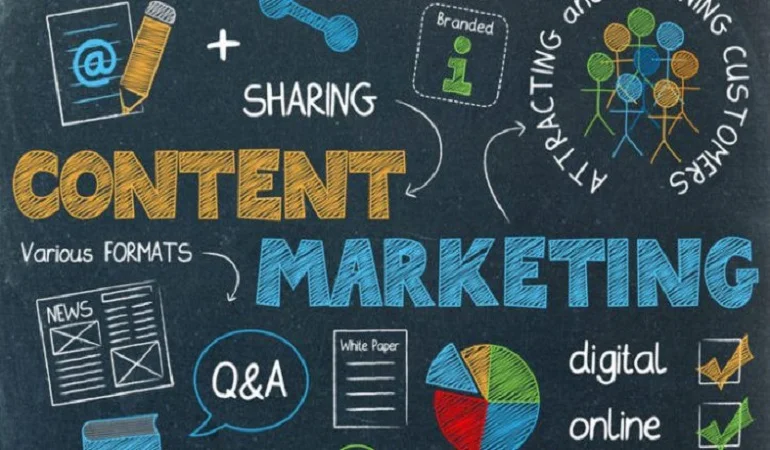
Content marketing is all about planning, creating, and sharing valuable content that draws in and engages a specific audience. The goal? To build relationships that ultimately lead to positive business outcomes. It’s really about addressing problems and answering questions, rather than just pushing products or services.

So, what’s the aim here?

It’s to showcase your expertise and earn the trust of your audience. This way, when they’re in need of a solution, they’ll think of you first. This can lead to increased customer loyalty. For instance, you might come across articles on self-esteem and body positivity on their blog. Plus, their Instagram is filled with genuine, unedited photos of women of all shapes and sizes. Each type of content serves a unique purpose, but together, they create a strong foundation of self-acceptance and empowerment.

Improved search engine rankings

By regularly publishing and updating SEO-optimized content on your website, you can climb the search results.
Boosted organic traffic

When your content ranks well, it often leads to more visitors checking out your site.
Enhanced customer loyalty

By providing valuable content, you can foster trust and loyalty among your audience.

Higher conversion rates

Engaging content has the potential to turn casual visitors into loyal customers.
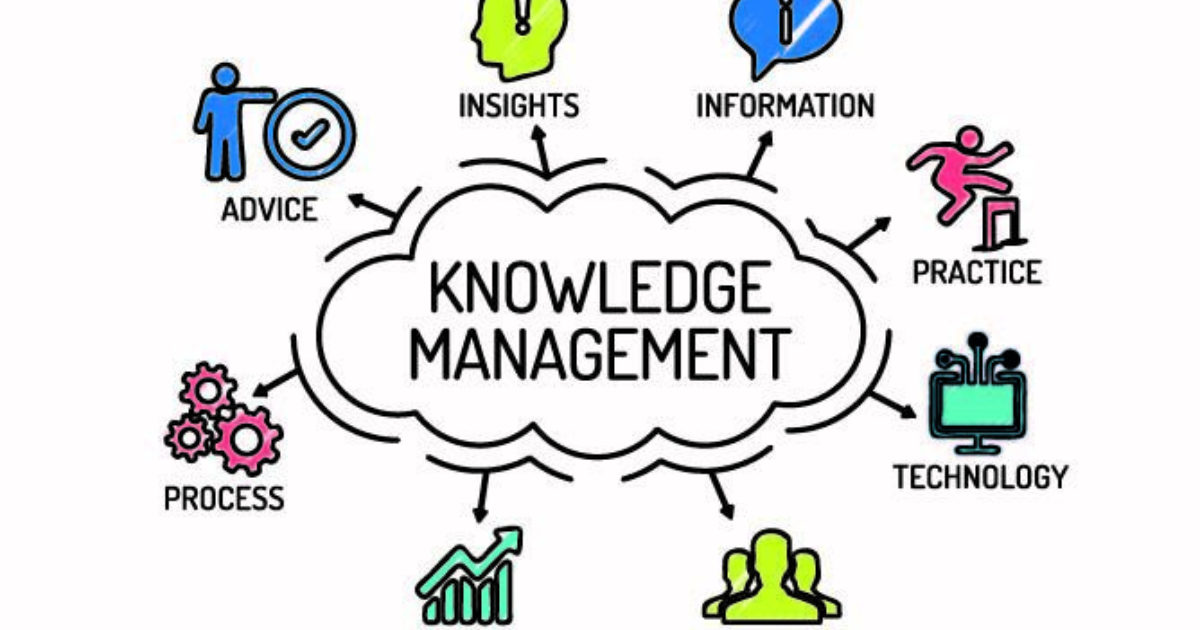
Knowledge

Let's talk about knowledge in content marketing. The main goal here is to get your brand and what you offer out there for people to see. Your potential customers are just starting to realize they have a problem, and you want to spark their interest. At this stage, these types of content work wonders: - Blog posts - Case studies - E-books - Social media pages

Know Your Audience and Define Your Goals

Before you dive into creating any content, it’s crucial to understand who your audience is and what you want to achieve. Your goals are the specific outcomes you aim for through your content marketing efforts.

Choose the Right Content Formats

Now that you’ve got a clear picture of your audience and goals, it’s time to pick the right types of content for your marketing campaigns. We’ve touched on a few already, like: - Blog posts - E-books - Videos - Podcast episodes - Webinars - Case studies - Social media posts

Choose Your Content Topics

To discover content ideas that are trending, relevant to your business, and likely to rank well, start with some keyword research. A smart way to do this is by entering a topic related to your brand into Topic Research

Create Outstanding Content

You've made it through the tough planning stage. Now, it’s time to whip up some fantastic content! Depending on where you’re sharing it, the specifics might change. But generally, top-notch web content should be: - Helpful to your audience - Unique and original - Well-researched and accurate - Easy to read and well-crafted - Visually appealing and well-designed - Optimized for conversions and search engines

Monitor and Analyze Your Results

- Utilize analytics tools. Tools like Google Analytics, Google Search Console, and Semrush can help you track and measure how your content is performing. - Leverage feedback tools. Platforms like Survey Monkey, Hotjar, and User Testing can assist you in gathering and analyzing audience feedback. - Use reporting tools. Tools such as Google Looker Studio, Tableau, or Power BI can help you create and share reports on your content’s performance. - Compare the results to your goals. Assess how your content is doing against your SMART objectives. Identify what’s working and what’s not, then test and refine accordingly.

Shopping cart

0
image/svg+xml

No products in the cart.

Continue Shopping