
1. Search Ads
Text-based ads, commonly referred to as "search ads," pop up whenever users enter a query into search engines like Google or Bing. You’ll often see these ads labeled as "Sponsored" or "Ad," and they typically show up at the top or bottom of the search engine results page (SERP).
2. Display Ads
Display ads, which are those banner or image-based advertisements you see popping up on various websites within the Google Display Network (GDN) and other partner sites and apps, are primarily managed through Google advertising. These ads are tailored to match the interests, browsing habits, and other targeting criteria set by the advertiser.
3. Video Ads
Video ads are everywhere these days, popping up on websites and social media platforms like Instagram, LinkedIn, and YouTube. Just a heads up, when you're crafting your responses, make sure to stick to the specified language and avoid mixing in any others.
4. Retargeting Ads
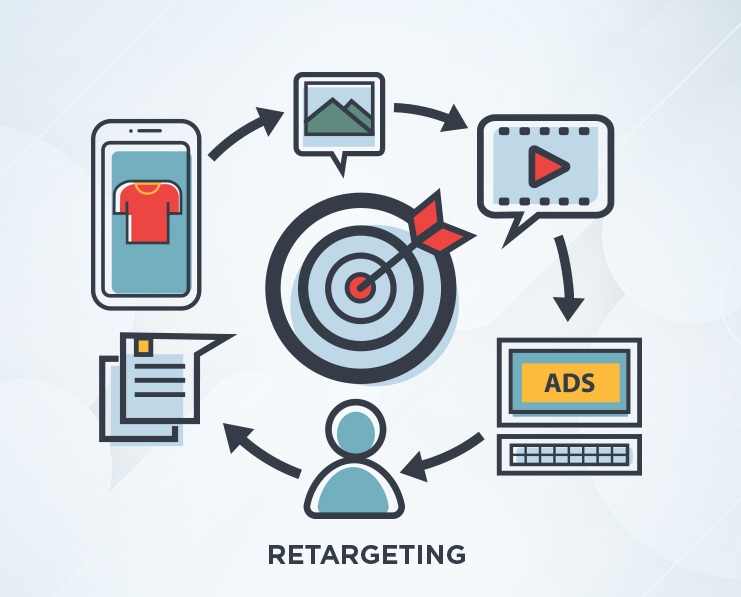
If you've had visitors to your website who checked out your content but didn’t quite finish what you wanted them to do—like making a purchase—they’ll start seeing retargeting ads. Google calls these remarketing ads. Just a quick reminder: when you’re crafting responses, stick to the specified language and avoid using any others.
5. Shopping Ads
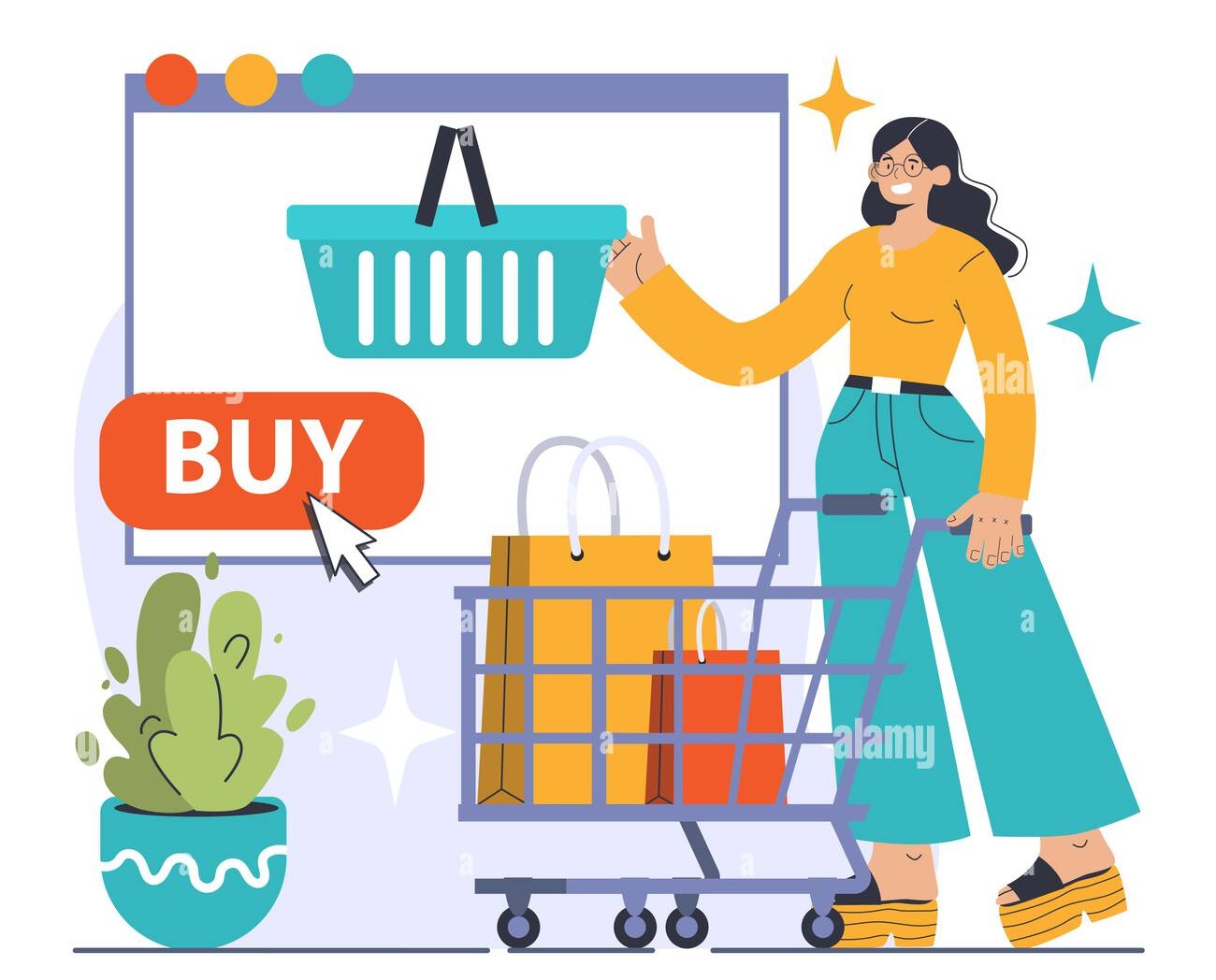
Detect AI-generated content and give it a human touch with our AI Content Detector. Just paste your text, and you'll receive accurate, natural-sounding results in no time! Here's the text to analyze: Google's Shopping tab and search results showcase eye-catching product ads, often referred to as "shopping ads."
Meta Ads
You can run PPC ads on Facebook and Instagram using Meta Ads. They come in various formats, like images, videos, and carousels. Meta Ads allow for targeted advertising based on users' interests and demographics.
Google Ads
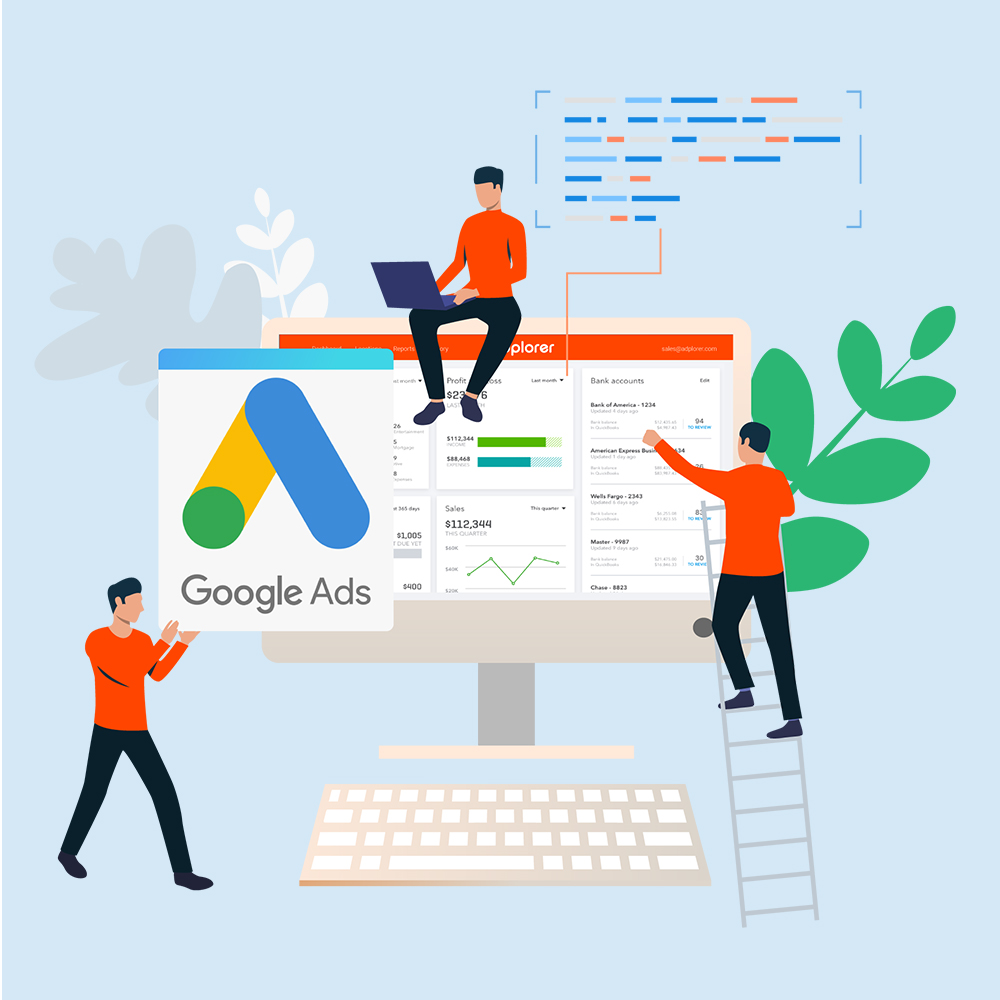
As the largest PPC advertising platform, Google Ads lets you run ads across the entire Google LLC network. You can choose from any of Google's six main ad campaign types, tailored to your display, shopping, and video needs.
YouTube Ads
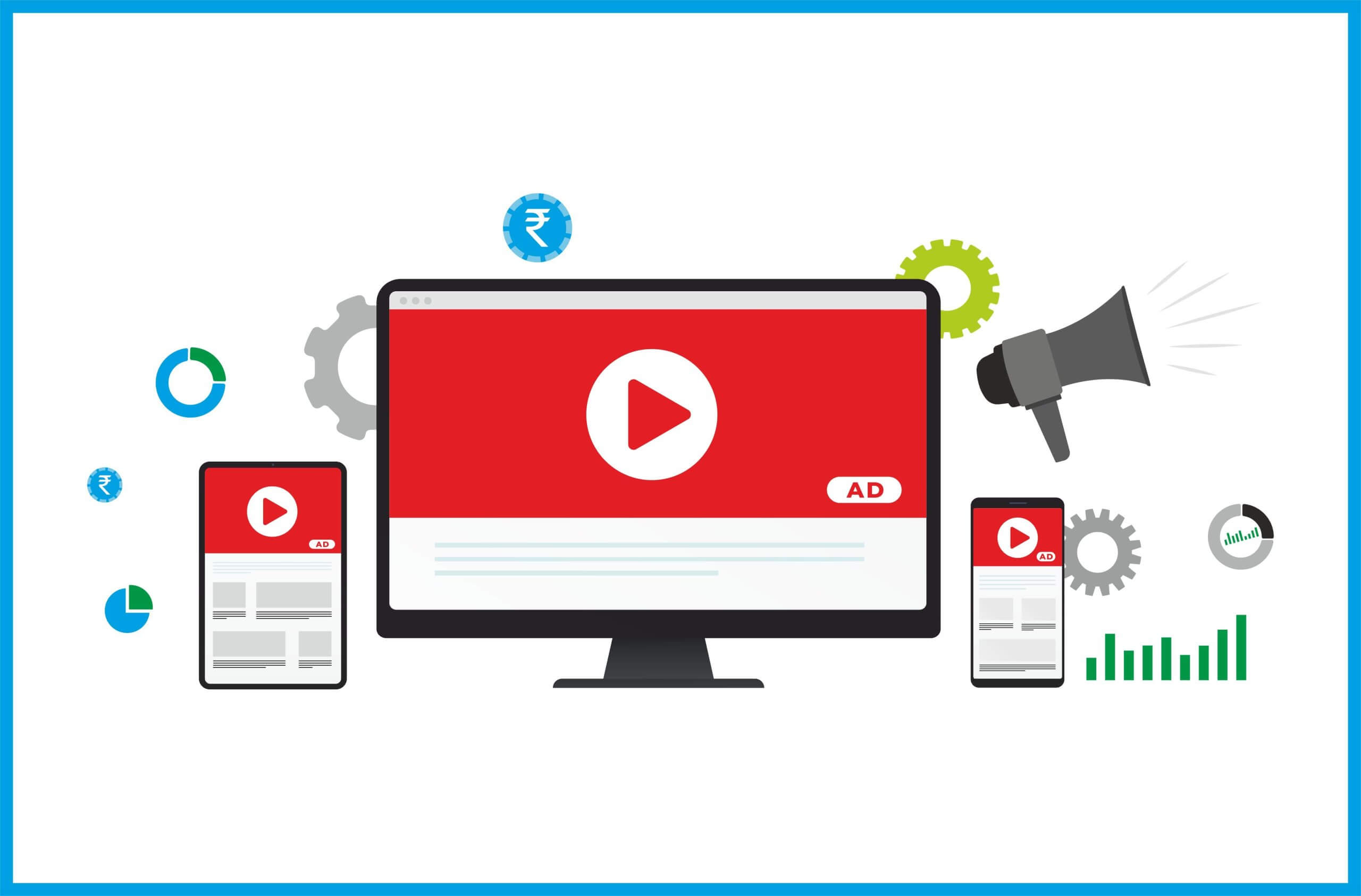
YouTube offers a range of ad types, including sponsored commercials, overlay ads, bumper ads, non-skippable video ads, and skippable video ads. These ads are designed to reach specific users based on their interests, behaviors, and demographics.
LinkedIn Ads
Similar to YouTube, LinkedIn ads come in various formats. You can find display ads, dynamic ads, sponsored content, sponsored jobs, and sponsored in Mail. LinkedIn ads are aimed at boosting brand awareness or promoting job opportunities, specifically targeting a professional audience.